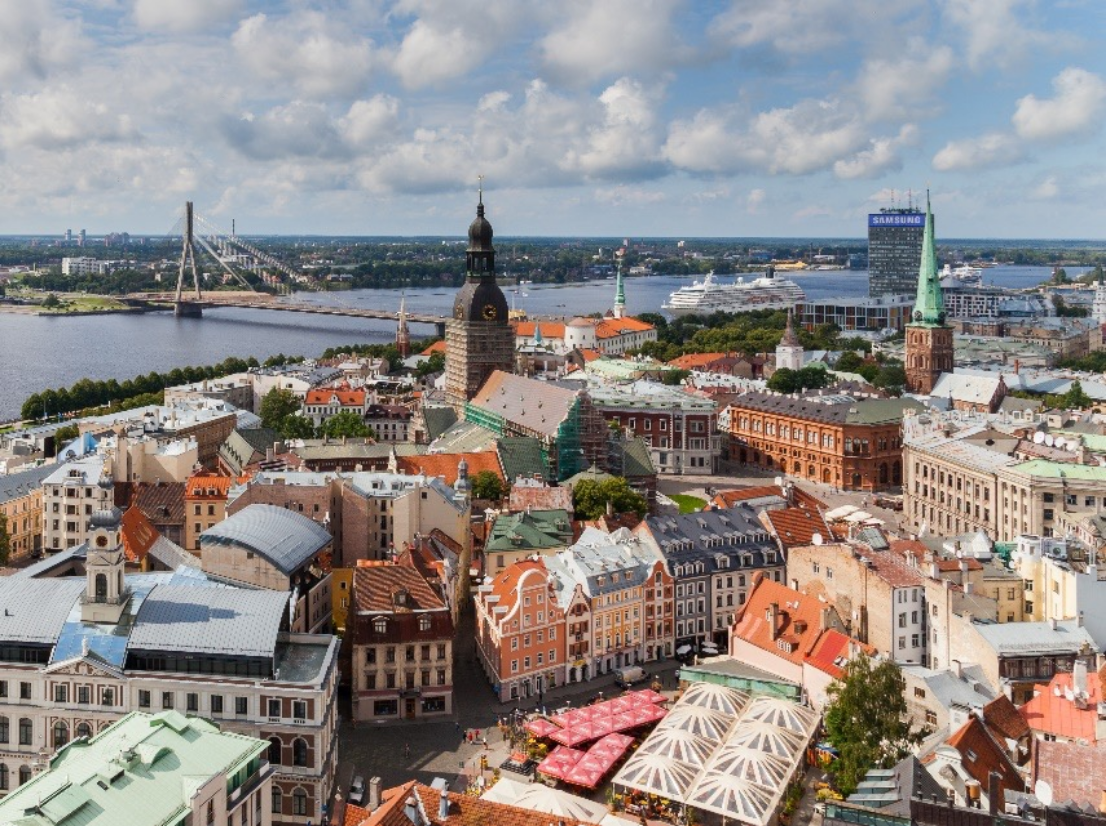
Riga, the lively capital of Latvia, is where rich history meets modern charm. Founded in 1201, this Baltic gem has grown through centuries of culture, trade, and creativity. Discover some of the highlights that shaped Riga into the city it is today:


Founded by Bishop Albert: Riga’s story begins as a small trading post on the River Daugava.
Hanseatic League: Joining this medieval trade network brought wealth and international influence.
The First Christmas Tree: Riga is proud to be the birthplace of the world’s first decorated Christmas tree!
A City of Empires: Once part of the Swedish Kingdom, then the Russian Empire, Riga blended cultures and traditions that still color the city today.
The First Song Festival: The beloved Latvian Song Festival tradition began right here in Riga.
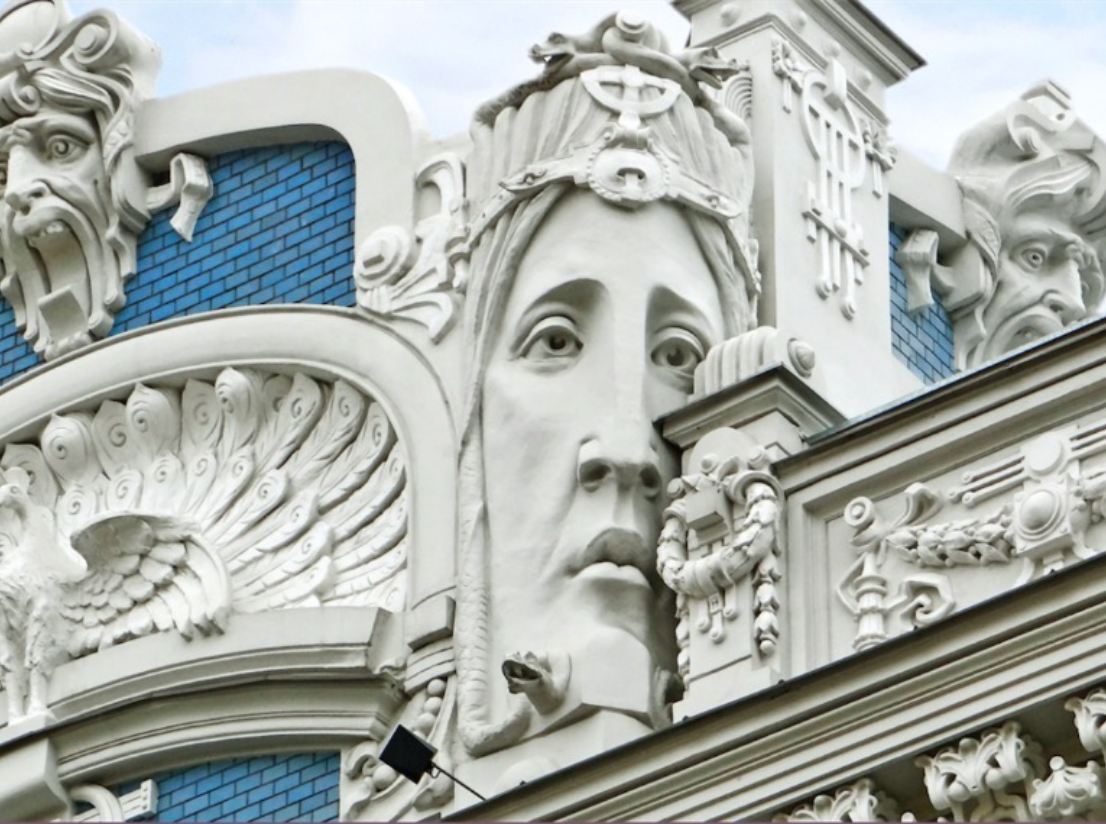
Art Nouveau Boom: Elegant façades and flowing designs made Riga one of the world’s top Art Nouveau capitals.
Independence: Latvia declared its independence, with Riga as its proud capital.
Freedom Regained: The city celebrated Latvia’s restored independence after years of Soviet rule.
UNESCO Recognition: Riga’s historic centre earned a place on the World Heritage list for its unique architecture.
European Capital of Culture: Riga shone on the European stage with a year-long celebration of arts and creativity.
Find out more about Riga on liveriga.com
The Old Town is the oldest section of Riga as well as the centre of the city. It is the city’s most popular area with tourists. In 1997, Riga’s historic centre was included in the UNESCO World Heritage List.
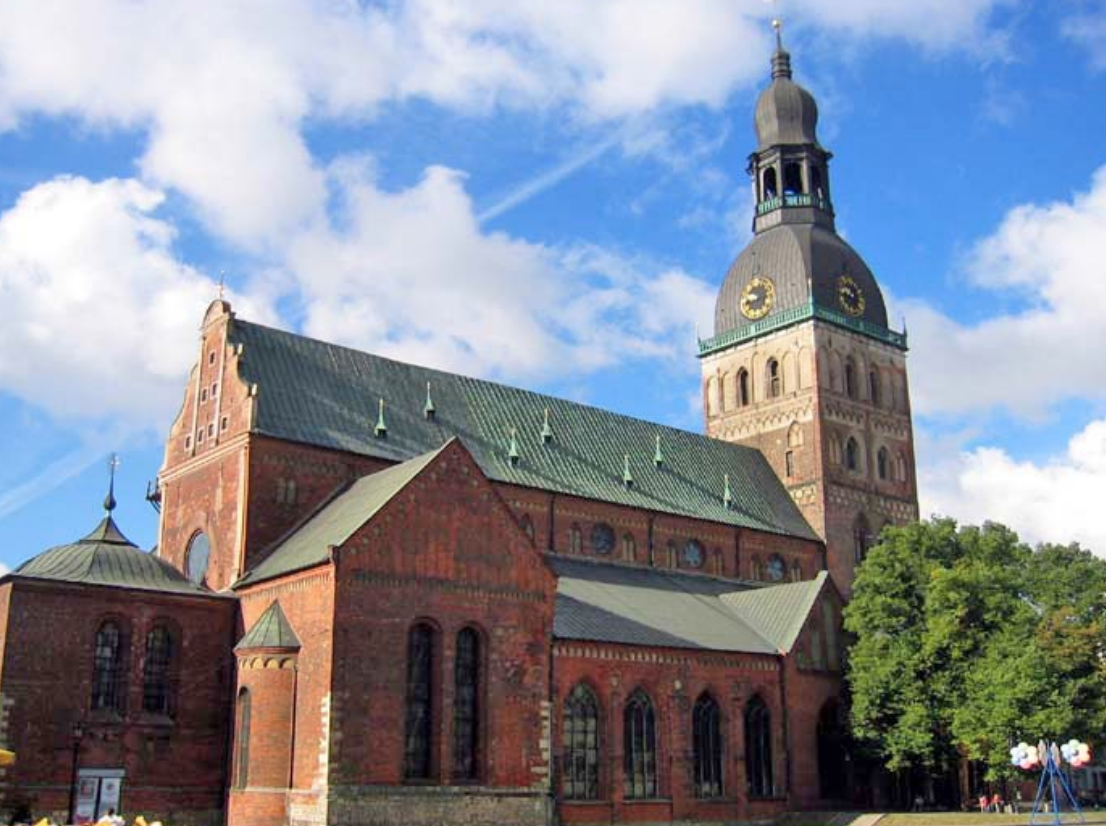
Dome Square is the largest square in the Old Town. It is deemed to be the heart of the city as all activities meet here, flowing in from seven streets like seven arteries. The square has seen many events significant to Latvia in the past 20 years. The square has a marked point where you can stand and see all three
Riga’s St.Peter’s Church dominates the cityscape as the tallest spire, and as one of the oldest and most valuable monumental architecture edifices in the Baltic States from the Middle Ages. St.Peter’s is the tallest of the Riga churches, a significant landmark, and a prime example of the 13th century Gothic style.
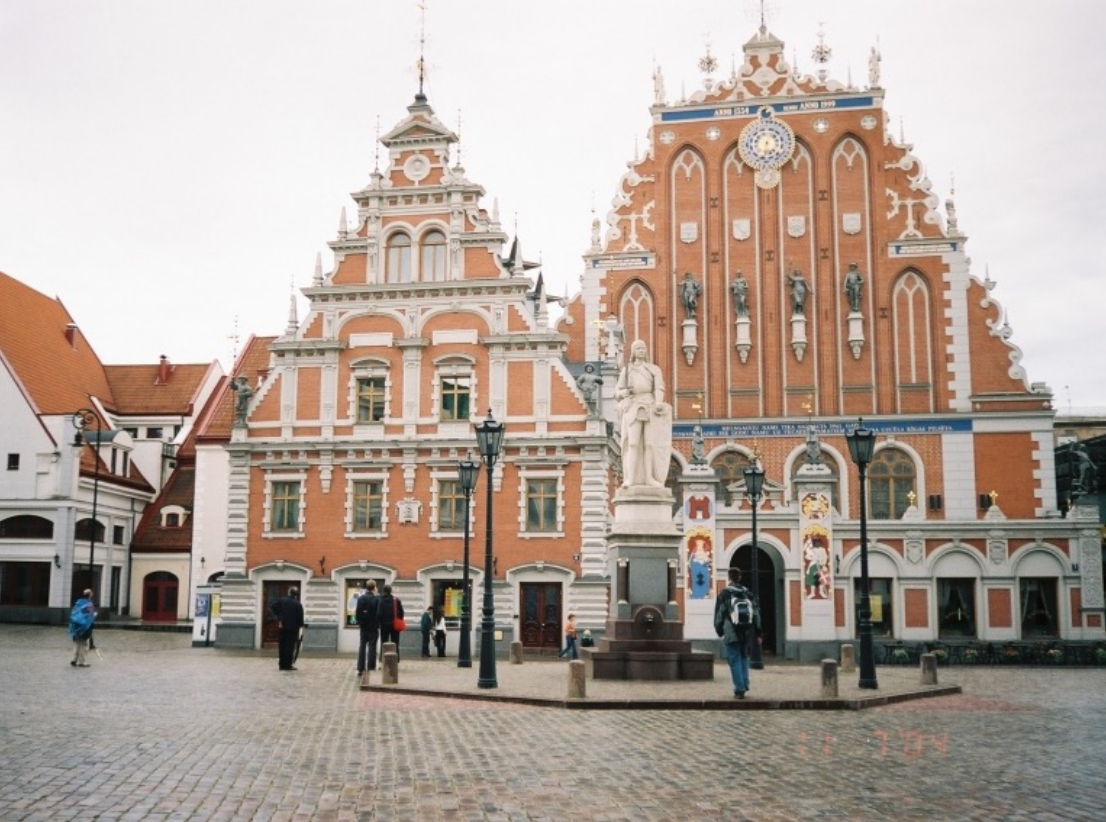
The Town Hall Square in Riga has been completely re-built, since during the World War II the square and its historic buildings were destroyed. The city guests are welcomed by the historical façade of the House of the Blackheads, as well as the reconstructed Town Hall, and other buildings. Town Hall Square is the place
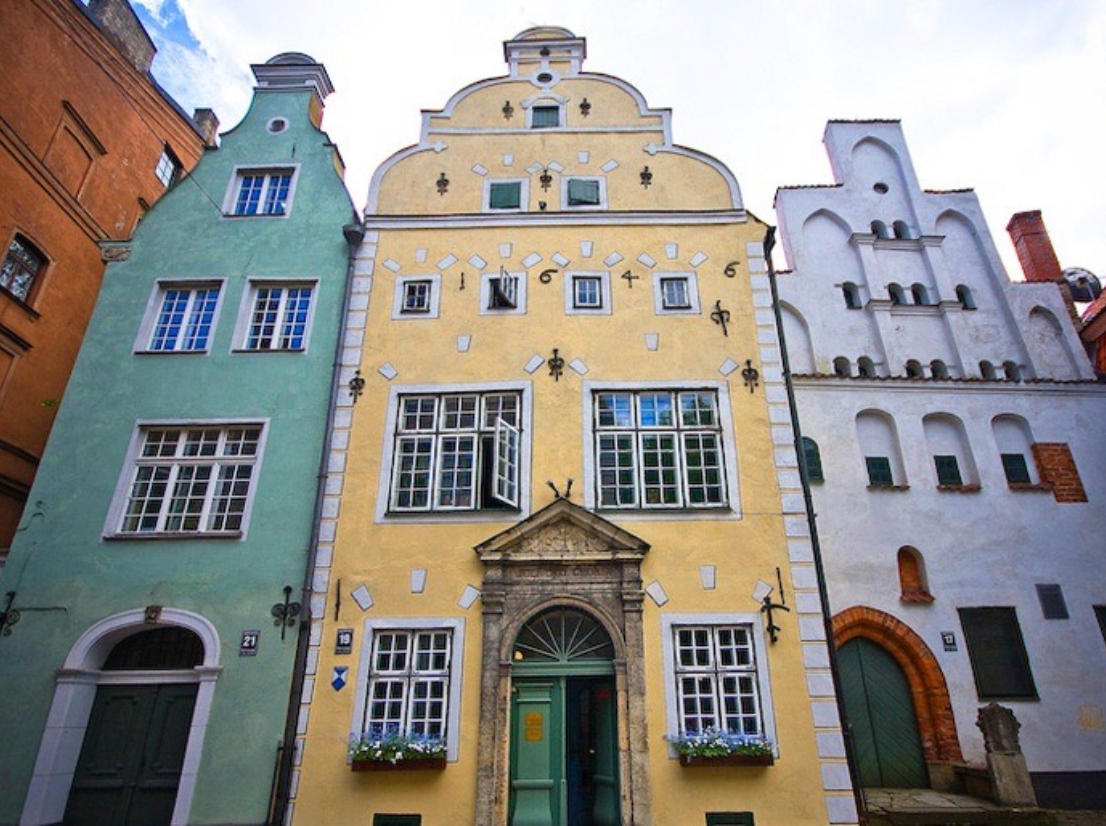
The oldest complex of dwelling houses in Riga was constructed in the 15th century. Their name — Three Brothers, was given a very long time ago and, according to a legend, the buildings were constructed by men from one family. Today, the premises house the Latvian Museum of Architecture and the State Inspection for Heritage Protection.
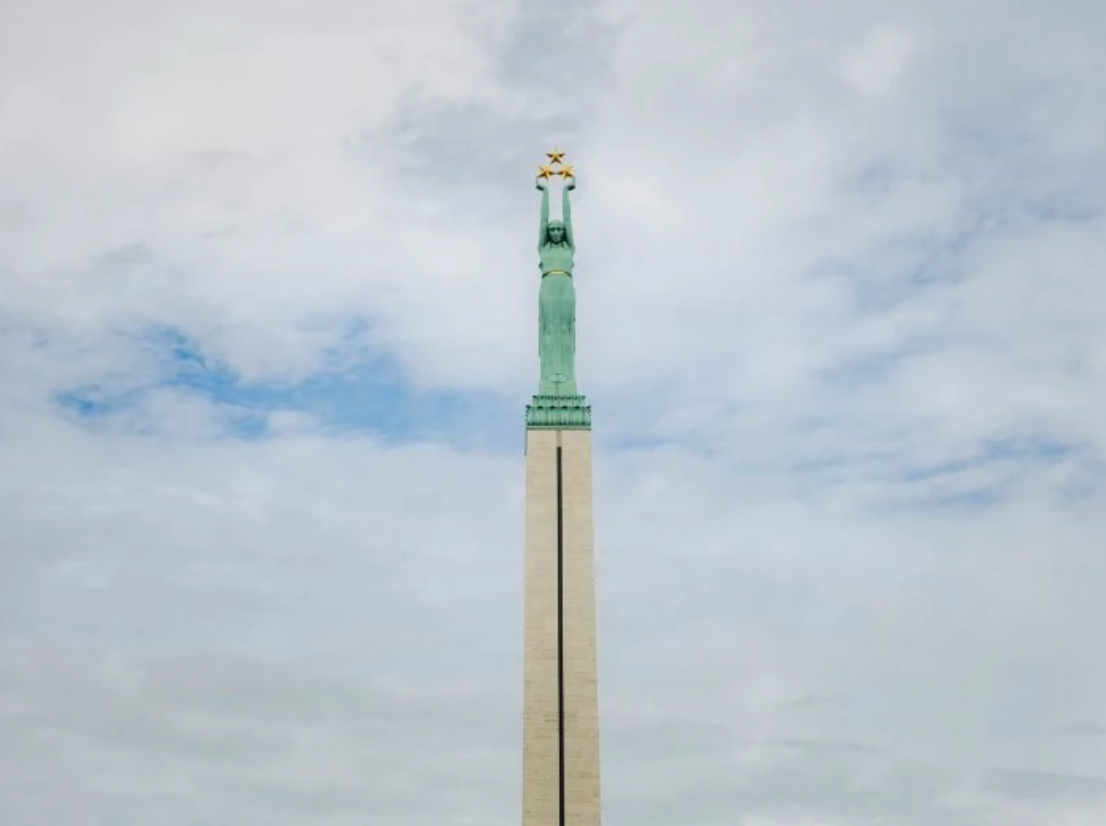
The Freedom Monument has been Riga’s central landmark for almost a century. This 42.7 m tall granite and copper work of art is a symbol of the Latvian nation’s striving for freedom and independence. The woman on top of the monument is holding up three golden stars, which represent Latvia’s historical
Art Nouveau, the distinct style in art of end-19th century and early-20th, was the “father” of modern architecture. Riga is a well-known Art Nouveau Mecca
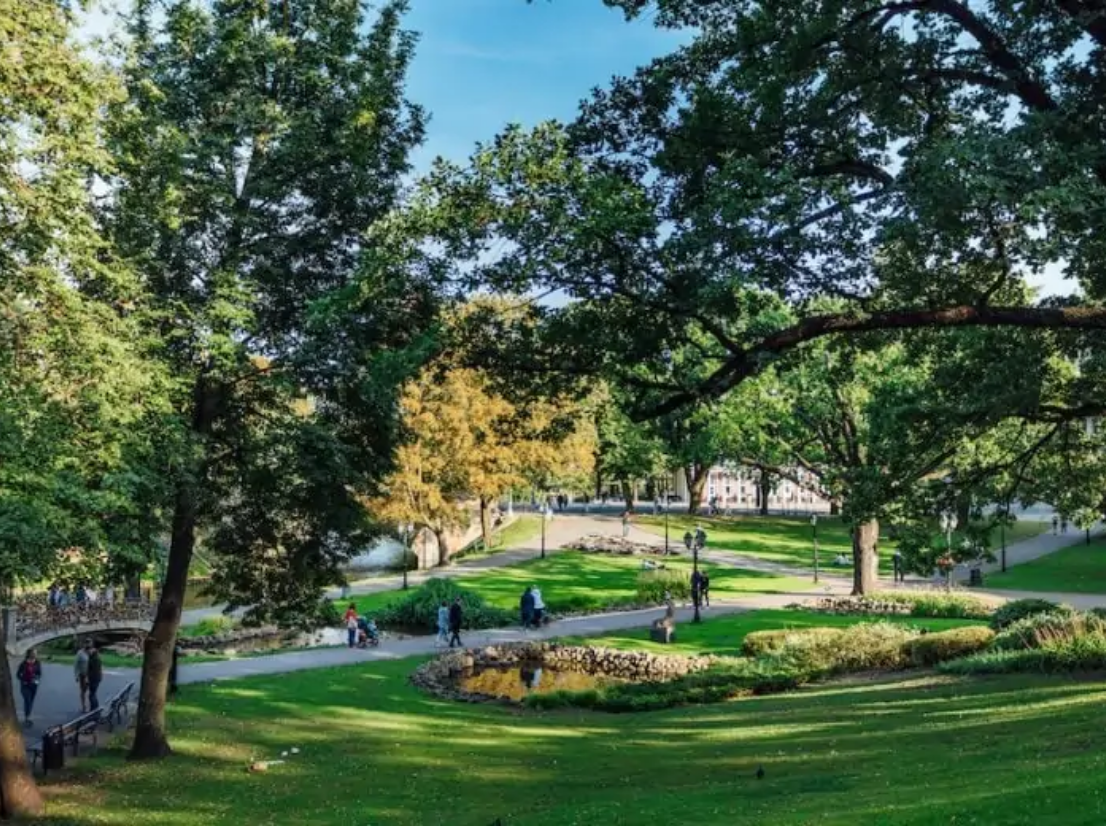
Riga has many parks and gardens, many of them near Old town and city channel. The park right next to the Freedom Monument has been a delight to an eye and soul for more than a century. Either it’s winter or summer - special atmosphere is always here.